How Often Should Trees and Shrubs Be Professionally Trimmed in Richmond, VA? | Tree Trimming Richmond VA
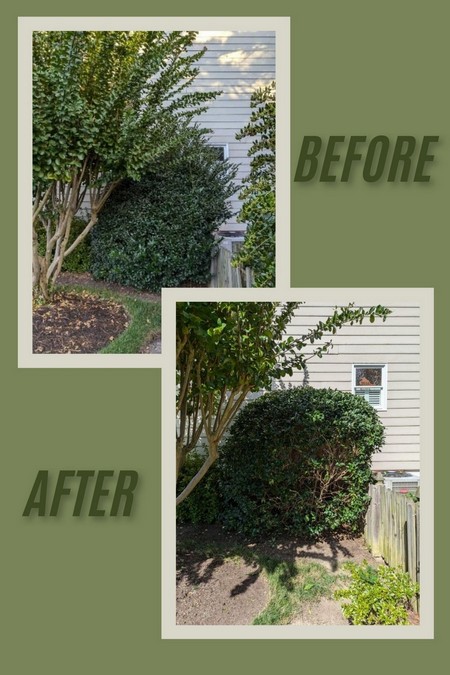
Healthy trees and neat hedges do not happen by accident. In our four‑season climate, professional tree trimming in Richmond, VA keeps canopies balanced, reduces storm damage, and helps your yard look cared for year‑round. Below is a clear, local guide to how often most homeowners should book service with C.S. Flournoy Inc. and why timing matters in Richmond neighborhoods from The Fan and Church Hill to Short Pump and Midlothian.
The Right Trimming Schedule For Richmond, VA Yards
Every property is different. Age, species, past care, and exposure to wind or full sun all affect how frequently a crew should visit. Use these ranges as a planning tool, then have a pro confirm the exact interval on site.
How Often To Trim Shade Trees
For mature oaks, maples, and elms common in Northside and Westhampton, plan structural and safety pruning every 3 to 5 years. Younger shade trees often benefit from lighter corrective work every 2 to 3 years to build strong branch structure and good clearance over roofs, sidewalks, and driveways.
How Often To Trim Flowering and Ornamental Trees
Dogwoods, redbuds, and cherries usually look and perform best with a professional touch every 1 to 3 years. The goal is to thin crowded growth, remove deadwood, and shape gently so blooms are supported the next season. Timing the visit right after flowering can help preserve next year’s buds.
How Often To Trim Evergreens and Pines
Hollies, cedars, and pines tend to need attention every 2 to 4 years, with light touch‑ups to maintain natural form and keep branches from pressing against siding or gutters. Pines along open lots in Chesterfield or Midlothian may need more frequent inspections because wind exposure can reveal weak, cracked, or rubbing limbs.
Shrub Trimming Frequency
Boxwood, holly, azalea, and other common shrubs thrive with one to three professional trims per year, depending on how formal you want the shape. Foundation shrubs near windows and walkways often benefit from spring shaping and a late‑summer tidy‑up to maintain clean lines without heavy cuts.
Local insight: Peak tropical weather for Central Virginia often arrives in late summer. Booking a light safety trim in late spring or early summer reduces limb failures when thunderstorms and remnants of coastal systems move through.
Safety note: Never trim near power lines on your own. Always let a trained crew assess and handle clearance work.
Local Timing Factors Homeowners Should Watch
Richmond’s weather swings shape the best trimming calendar. Hot, humid summers speed growth. Late‑winter cold snaps can stress tips and smaller laterals. Add heavy spring rains followed by gusty storms, and you have a recipe for fast‑changing canopy loads.
Weather And Storm Season
Thunderstorms and the occasional tropical remnant can arrive with short notice. Regular trimming reduces storm damage risk by removing dead or weakened wood before high winds find it. Homes in wooded areas like Bon Air or Glen Allen often benefit from inspections in late spring, with final adjustments before the most active summer weather.
Clearance And Safety
Branches scraping shingles, touching siding, or blocking street‑side visibility tell you it is time to call. Limbs should not rest on roofs. Clearance over driveways and sidewalks protects vehicles and people. If you cannot walk under a front‑yard canopy without ducking, you likely need a visit to reset safe headroom.
What A Pro Looks For During A Visit
When C.S. Flournoy Inc. inspects a property, the focus is on safety, health, and appearance. The crew notes any deadwood, crossing branches, narrow V‑shaped unions, and limbs with poor attachment angles. They also check how the canopy sheds wind and whether weight is biased toward the house, street, or neighboring yards. That balance guides the next trim cycle.
- Dead, cracked, or hanging branches are addressed first to reduce risk.
- Rubbing or crowded limbs are thinned to open light and air in the canopy.
- Low limbs are raised to restore safe clearance over lawns, sidewalks, and roofs.
- Natural shape is preserved so trees look right for the species and neighborhood.
If the assessment uncovers severe decline, cavity, or root plate movement, the safer path may be removal. In that case, your estimator can coordinate with our tree removal service and, where helpful, plan for new planting in a safer location once the area is cleared.
Richmond Examples: What “Often Enough” Looks Like
In The Fan and Museum District, tight setbacks mean trees sit close to brick facades and slate roofs. That calls for careful, frequent shaping to maintain clearance. In Short Pump and Wyndham, open exposures and newer plantings often need interval checks as canopies grow quickly in full sun. Church Hill’s steep lots and mature oaks benefit from periodic thinning to keep limbs off porches and power lines on hillside streets.
Hedge‑lined properties in Midlothian or Mechanicsville may choose two light shrub trims to hold a crisp, formal look through the growing season. Naturalized borders in Forest Hill or Westover Hills may only need a selective cut every couple of years to maintain views and keep walkways open.
How To Set A Practical Trimming Calendar
Work backward from the risks you want to avoid. Do you see limbs near the roof before hurricane season? Do hedges block window light by midsummer? Are low branches snagging delivery trucks on narrow alleys? A recurring plan keeps problems from stacking up. Locking in predictable visits also helps coordinate with neighborhood associations and keeps your curb appeal steady between seasons.
- Shade trees: schedule every 3–5 years; young trees every 2–3 years.
- Flowering ornamentals: plan every 1–3 years, timed around bloom cycles.
- Evergreens and pines: check every 2–4 years, sooner in windy exposures.
- Shrubs: one to three trims per year based on formality and growth rate.
For many homeowners, pairing a spring safety review with a late‑summer touch keeps things tidy and ready for fall leaves. If your property borders busy streets or sits beneath large, mature canopies, ask about a lighter mid‑cycle inspection to catch small issues before they become big ones.
Health, Safety, and Curb Appeal Payoffs
Consistent, professional pruning does three big things. It improves tree structure, which helps limbs resist breakage. It guides growth away from homes, driveways, and play areas. It also sharpens the first impression of your property, which is useful if you plan to refinance or sell in the near future. Well‑timed care helps Richmond trees handle summer heat, winter ice, and everything in between.
Call a pro if you see dead, cracked, or hanging branches after a thunderstorm. Fast action prevents further damage and keeps your yard safe for family, pets, and neighbors. If cleanup reveals a failing trunk or root system, a safe removal and stump plan protects the rest of your landscape and hardscapes.
Who You Hire Matters
As a local tree removal and tree care company, C.S. Flournoy Inc. brings trained eyes, proper gear, and a safety‑first process to every visit. That includes careful rigging near roofs, methodical debris handling, and proactive communication so you know exactly what will happen around your home. If you need fine shaping for historic districts, wind‑hardening in open suburbs, or discreet curbside clearance on tight streets, a skilled crew makes the difference.
Ready to map your annual schedule? Start by reviewing the service details for tree pruning and trimming service. If the team sees concerns during the visit, they can also advise on follow‑up services like stump grinding and removal after a failed tree is taken down, or new tree planting in a better spot.
Plan Your Next Visit
Set a recurring appointment so your yard never drifts out of shape. Many Richmond homeowners pick a spring window for safety work and a midsummer window for appearance. If storms are in the forecast, your plan positions you to move faster, with an established relationship and property notes on file. That saves time and protects your home’s best features.
To learn more, explore tree trimming in Richmond, VA resources on our site and talk with our dispatcher about an on‑site assessment. A short walkthrough will confirm whether your next interval should be sooner or later based on species, age, and recent storm history.
Have questions about canopy balance, roof clearance, or shrub shaping around porches and garden beds? Call 804-264-1000 to speak with C.S. Flournoy Inc.. We will review your goals, outline a clean scope, and schedule a visit that fits your calendar.
Ready When You Are
Whether you are in The Fan, Short Pump, Bon Air, or just off Chamberlayne, our crew works across the metro to keep properties safe and beautiful. When it is time to set a clear trimming rhythm for your home, book with the local team that knows Richmond’s weather and streets.
Get started with a quick request on our Richmond tree trimming page or call us at 804-264-1000. Your trees and shrubs will thank you, and your property will look its best in every season with help from C.S. Flournoy Inc..
Don't Get Stumped By Your Trees! Contact Our Richmond Tree Removal Company Today!