Trees Most Likely to Become Hazardous in Richmond Storm Season: Tree Removal in Richmond, VA
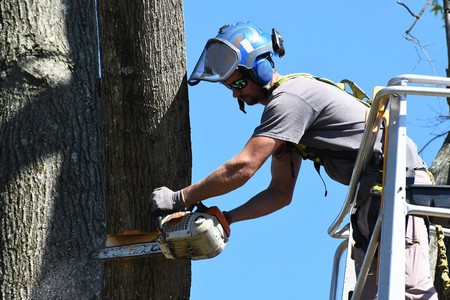
Storm season in Richmond brings fast-moving thunderstorms, tropical remnants, and saturated soil. That mix puts extra stress on aging or weak-wooded trees. If you are unsure whether a tree on your property is safe, talk with a pro before the next round of weather. You can learn more about safe, professional care on our tree removal services page, or keep reading for the species and warning signs we most often see across the city.
Why Certain Trees Fail In Summer Thunderstorms And Tropical Systems
High winds push heavy canopies like a sail. When roots sit in soggy soil, they cannot grip as well, which makes uprooting more likely. Older pruning cuts, storm scars, and co-dominant trunks act like weak points that split under pressure. In Richmond, quick bursts of 40–60 mph gusts are common with summer storms, and those gusts often arrive after a long soaking rain. That one-two punch is what turns a small defect into a major hazard.
Species In Richmond Most Likely To Become Hazardous
Bradford (Callery) Pear
Bradford pears have tight branch angles and brittle wood. As they age, heavy limbs tear away from the trunk, especially during wind or ice. We see failures along older streets in Church Hill and The Fan, where mature pears line sidewalks. If a Bradford pear shows spreading cracks at the main crotch or a lopsided canopy over a driveway, it should be evaluated soon.
Silver Maple And Norway Maple
These fast-growing maples develop long, heavy leaders with soft wood. Past topping cuts create decay columns that travel down into the trunk. In neighborhoods like Lakeside and the Near West End, older maples that overhang homes or service lines are frequent storm calls. Watch for large cavities, fungal conks, or bark seams that run the length of a trunk.
Leyland Cypress
Leylands are popular for privacy screens, but their shallow roots and dense, top-heavy foliage do poorly in the wind. Long hedgerows catch gusts like a wall. After soaking rain, entire trees can lean or uproot. Gaps forming in a hedge or a tree that is noticeably tilting compared to its neighbors are red flags.
Boxelder
Boxelder grows fast, often in poor soils or along fences. The wood is weak, and co-dominant stems split where they meet. Large limbs over alleys and detached garages in older Richmond blocks are common problems. Fresh splits that show bright, new wood or a limb that has dropped and is hung in the canopy call for immediate attention.
Loblolly Pine
Loblolly is common in suburban parts of Henrico and Chesterfield. Tall, slender pines with small root plates can lean after heavy rain, especially on slopes. Pines near open exposures or recent construction are at higher risk. A sudden lean, soil mounding on the high side of the trunk, or snapped roots at the surface are serious signs.
Tulip Poplar (Yellow Poplar)
Tulip poplars soar to great heights and carry large, heavy limbs. Old storm wounds and included bark at major unions make them prone to shedding big wood. If a tulip poplar stretches over a roof in Bon Air or Westover Hills, look for dead scaffold limbs and seams that point to hidden decay.
Willows love water but can develop decay where heavy limbs attach. Mature willow oaks are strong in good structure, yet very old specimens with repeated utility trims can drop sizable branches in the wind. Watch for hollow-sounding trunks, large deadwood in the upper crown, or overextended limbs above streets and parking areas.
Site Conditions That Raise Risk In Richmond Neighborhoods
Every site is different. Trees planted too deep or in compacted clay struggle to anchor well. Recent grade changes, driveway expansions, or patio projects can cut roots and weaken stability. On corner lots in The Fan or along steep backyards near the river, wind funnels and slope can add even more stress. New homeowners in Short Pump sometimes inherit boundary trees that grew tall in rows; once neighboring trees are removed for new construction, the remaining trees face the wind they never had before.
Keep an eye on trees near targets such as roofs, play areas, and parked cars. A species with fair structure may still be a hazard if failure were to hit something valuable. In those cases, timed pruning or, when needed, professional tree removal may be the safest plan before the heart of storm season.
How To Spot Warning Signs Before Storm Season
- Cracks or seams at major branch unions, especially in Bradford pears and maples.
- Fresh leans after rain, soil heaving on one side of the trunk, or visible root damage.
- Dead or hanging limbs over driveways, sidewalks, or porch roofs.
- Mushrooms or fungal conks at the base or along old pruning cuts that suggest decay.
- Included bark where two similar-sized stems press together without a healthy branch collar.
- Repeated utility line cuts left stubs and weak, fast-growing shoots.
Two or more of these at once should prompt a professional evaluation. Do not ignore new movement or cracking sounds in the wind. Small defects can change quickly when Richmond’s summer storms hit one after another.
After Severe Weather: Safe Next Steps For Homeowners
When a storm passes, it is tempting to rush outside. Safety comes first. Assume every downed line is live, and keep kids and pets away from the area.
- Stay clear of any tree touching wires and call the utility before anyone approaches.
- Photograph damage from a safe distance for insurance records.
- If a tree is on a roof, avoid entering that room until a professional says it is safe.
- Choose a qualified local company and avoid high-pressure, door-to-door offers.
- Ask for a written plan that explains how the work will be completed safely.
If you need rapid help, call 804-264-1000. Never allow untrained crews to climb damaged trees or operate saws near power lines. The right equipment and methods prevent secondary damage to your home and landscape.
Pruning, Cabling, and When Removal Is The Safer Choice
Many trees can be made safer through structural pruning, which removes dead or defective limbs and reduces overextended branches. Cabling and bracing can support key unions in select cases, such as included-bark leaders in a valuable shade tree. But when a species has weak wood, severe decay, or stands too close to a high-value target, removal may be the responsible option. Our team will explain the trade-offs clearly and help you plan for replacement species that better fit the site.
For high-risk situations or trees with multiple red flags, scheduling professional tree removal before peak storm weeks can prevent emergency calls later. Do not delay if you notice sudden leaning, soil lifting, or a deep trunk crack. Those are urgent conditions.
Neighborhood Examples Around Richmond
Church Hill and Bellevue have many aging street trees with past topping cuts. In those areas, structural pruning on a regular cycle reduces the risk of large limb drops during gusty thunderstorms. The Fan and Museum Districts have tight lots where canopies stretch over roofs and alleys. There, clearance pruning or selective removal of problem species like Bradford pear can lower risk without losing all shade.
In Bon Air, Midlothian, and around the James River Park System, slopes and tall pines add another layer. After long rain, a loblolly with a new lean or soil mound should be checked quickly. West End subdivisions that planted long Leyland cypress screens 15 to 20 years ago are now seeing hedge failures. Thinning or staged replacement can help, and in some cases, full removal is the safest route.
Choosing Stronger Replacement Trees For Long-Term Safety
When a hazardous tree is removed, a better match for Richmond’s climate sets you up for decades of lower risk. Aim for species with strong branch structure, moderate growth rates, and good tolerance for our clay soils. Consider a mix of native shade trees and smaller ornamentals so one storm does not impact your entire yard at once.
Placement matters as much as species. Give trees the soil volume they need, keep them a safe distance from foundations and driveways, and plan mature height under wires. Right tree, right place is the simplest way to avoid future storm problems.
How C.S. Flournoy Inc. Prepares Your Property For Storm Season
Our process starts with a site walk to identify targets, wind exposure, and species-specific risks. We mark structural issues and share photos so you can see what we see. For pruning, we focus on removing deadwood, reducing overextended limbs, and improving clearance from roofs and walks. For trees that cannot be made safe, we coordinate safe removals with the correct equipment to protect lawns, driveways, and garden beds.
When weather strikes, our crews prioritize hazards that block access, threaten structures, or involve utilities. We stabilize the scene, coordinate with power providers as needed, and clean up debris so you can get back to normal. If you are searching for tree removal in Richmond, VA, after a storm, our local team is ready to help with careful planning and clear communication.
Plan Ahead Before The Next Storm
Richmond’s storm season is predictable, even if the exact timing is not. A preventive assessment in late spring or mid-summer can make a big difference in what happens during the next line of storms. Address the obvious risks now, and you are less likely to face surprise outages, smashed gutters, or dented vehicles later.
When you are ready to talk through options, call 804-264-1000 to schedule a visit with C.S. Flournoy Inc.. To understand how removals work and what to expect on project day, see our detailed overview of tree removal services in Richmond. We are here to help you make confident, safe choices for your home and the trees you love.